
Innovating with dermatology-inspired science
Dermo-cosmetics have become an increasingly popular sector in the cosmetic industry due to combining cosmetic formulation with dermatology-inspired science. While often seen as more advanced, these products remain cosmetics by definition and must comply with the regulatory framework.
What is dermo-cosmetics?
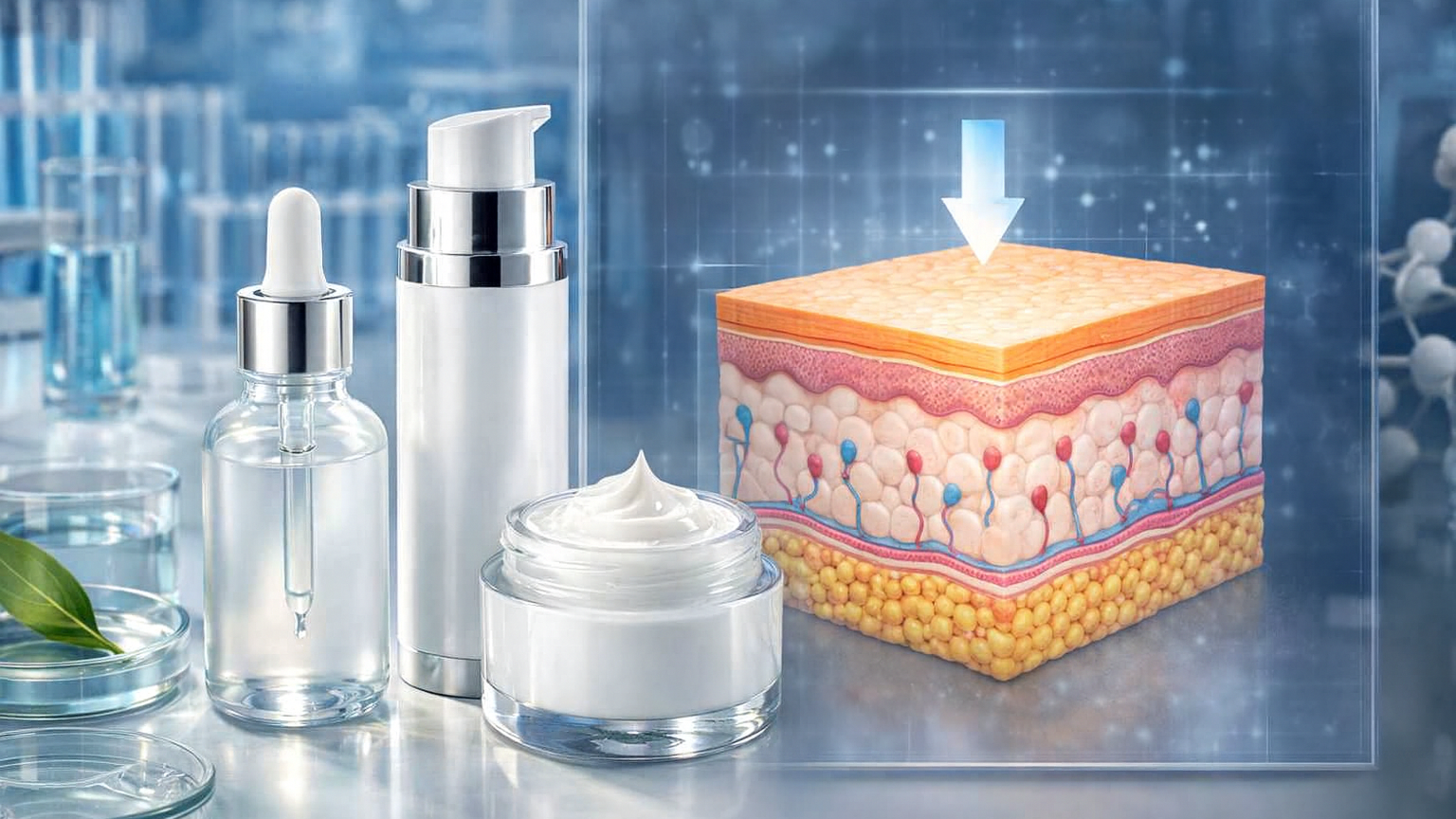
Dermo-cosmetics sit at the intersection of cosmetics and dermatology. These cosmetic products are formulated using principles inspired by dermatological science and are designed to function as a cosmetic product by focusing on cleansing, changing the appearance, protecting, maintaining, and keeping the skin in good condition.
How do dermo-cosmetics differ from regular cosmetics?
They are usually characterised by strategic formulations with evidence supporting active ingredients while keeping the skin care in mind. Typically, evaluation from a dermatological perspective is obtained, often with the completion of product testing under dermatological supervision. Consumers perceive dermo-cosmetics with the use of higher-quality ingredients and science-led formulations the best choice to support skin health.
How are dermo-cosmetics influencing the industry?
Dermo-cosmetics is changing the skincare industry due to the growing focus on skin appearance and concerns such as:
skin sensitivity
blemish-prone skin
supporting the skin’s moisture barrier
microbiome inspired skincare, and more
Additionally, there is a growing interest in long term skin appearance benefits, like reducing the appearance of visible ageing. Ingredients such as retinol and other vitamin A derivatives are commonly used to help improve the appearance of fine lines when formulated as a cosmetic product.
Consumers are also increasingly researching for specific ingredients to be a part of their skincare that deliver visible results while remaining gentle and well-tolerated. Ingredients such as niacinamide, hyaluronic acid, salicylic acid, peptides, retinol, and more, are sought upon and can help improve the appearance of the skin as derma-cosmetics while remaining compliant with cosmetic regulations.
Regulatory Challenges Faced by Dermo-cosmetics & Bloom Regulatory’s Key Tips
The primary challenge in dermo-cosmetics is ensuring the clear positioning as cosmetics and not crossing into the medicinal or therapeutic sectors.
Key considerations include:
1. Careful claim assessment to avoid any borderline or medical language that can trigger reclassification whilst ensuring all performance claims are cosmetic in nature and supported by appropriate substantiation focused on appearance-based claims.
2. As many ingredients used in derma-cosmetics are also found in dermatological treatments, it is essential for the ingredients to comply through verifying permitted cosmetic use, as well as the concentration limits and conditions to use in the target market.
3. Finally, while dermo-cosmetics may be developed with dermatological inspiration, cosmetic products should not claim to treat or prevent diseases or medical conditions. Under the UK and EU cosmetic regulations, a cosmetic product must be intended to: clean, perfume, change appearance, protect, keep the skin in good condition, or correct body odours.
How can Bloom help?
With expertise in cosmetic product regulation across the EU and UK, Bloom helps beauty and wellness brands innovate responsibly, ensuring every cosmetic product is safe, compliant, and trusted by consumers.
In addition to our standard compliance services, as experts in the area of product claims and with extensive experience working with dermo-cosmetic brands, our team can review your dermo-cosmetic claims and ensure they are evidence-based, compliant, and in line with the latest guidance and regulatory requirements. Additionally, we can advise on borderline classification and regulatory positioning to help brands bring innovation to market confidently.
Get in touch if you’d like to discuss your project with us.
Darshni Pattani