
ASA’s Anti-Aging Crackdown
Beyond the Data: The ASA’s Crackdown on Anti-Aging Claims
A string of recent enforcement actions by the UK’s Advertising Standards Authority (ASA) in April and May 2026 signals a sharp rise in scrutiny for cosmetic anti-aging claims. The core message is clear: simply holding data is not enough. The ASA is scrutinising how efficacy is substantiated, exposing major vulnerabilities in standard industry data sets and significantly increasing the commercial risk of investigations.
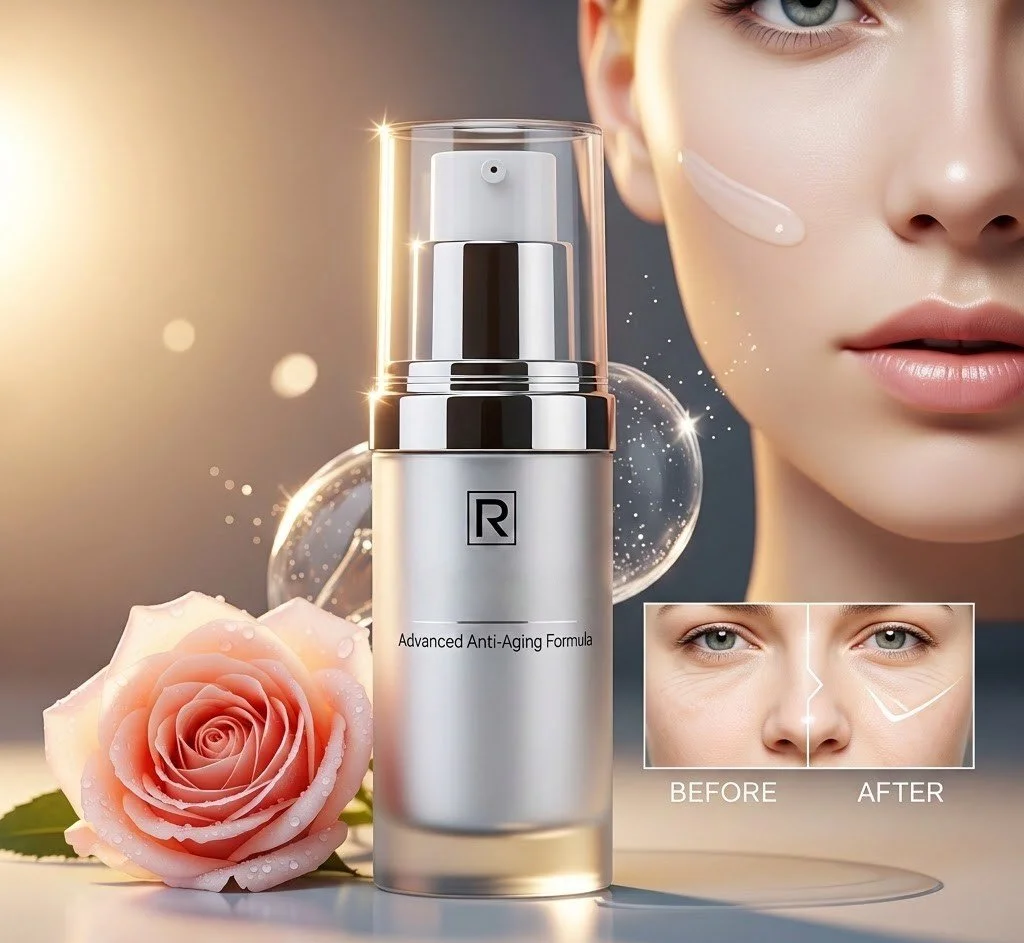
Here is a concise summary of the key takeaways and what they mean for your compliance strategy.
1. Finished Product vs. Ingredient Efficacy
One of the most significant takeaways from the recent rulings is the ASA's insistence that data must reflect the actual finished product being sold to consumers, rather than its isolated active ingredients.
The Finished Product Principle: The regulator expects evidence to demonstrate how the complete formulation performs in real-world, daily use.
Key Examples:
A peer-reviewed paper submitted by a major dermo-cosmetic brand was rejected because it only provided evidence on an isolated active ingredient. It failed to prove the efficacy of the finished product itself or reflect its real-world application.
In another adjudication involving a premium cosmetic brand, the advertisement claimed a topical serum was 'powered by exosomes which help boost and regenerate the skin barrier.' The ASA upheld the challenge because the brand failed to provide evidence demonstrating that exosomes, when formulated into a topical serum and applied to the face, actually achieved the described regenerative effect.
2. Subjective vs. Objective Data Expectations
Any quantitative/numerical value (e.g., 'lifts skin by 20%') or chronological milestone (e.g., 'looks 5 years younger') is classified as an objective claim.
The Expectation: These claims should not be validated only by human perception (consumer self-assessment or clinical grading). The ASA strictly expects robust, instrumental data to back up any percentage-based or age-reduction claims.
3. Vulnerabilities in Study Design
The regulator repeatedly penalised brands for flawed study protocols, explicitly criticising:
Small Sample Sizes: 30 participants is considered too low for subjective evidence such as clinical scoring or consumer self-assessment.
Methodological Flaws: Lack of clear randomisation, absence of controls, and no strict protocols regarding the application of other products during the trial.
Geographic Irrelevance: Data from climates or skin types that differ significantly from the UK population, meaning the results cannot be reliably extrapolated.
Conclusion & Commercial Outlook
As the ASA continues to uphold a high standard for efficacy claims, brands can proactively manage their portfolios and safeguard their market position by adopting a structured approach to compliance:
Conduct a Proactive Claims Review: Review current hero product marketing portfolios to ensure that any high-risk quantitative claims are adequately paired with the correct level of substantiation. Identifying and adjusting vulnerable phrasing early minimises the risk of a formal challenge.
Align Testing with Marketing Ambition: For future product launches, ensure the clinical testing methodology matches the intended marketing message. If a campaign relies heavily on specific percentages or structural benefits, instrumental (or objective) trials with statistically robust sample sizes should be prioritised.
Utilise Qualitative Language for Perception Data: Where data relies primarily on consumer self-assessment or clinical scoring rather than instrumental metrics, adapt marketing collateral to use purely qualitative, perception-based phrasing.
Refine Protocol Design: Ensure that future product testing protocols closely mirror real-world consumer habits, including typical multi-step routines, and validate raw material data within the context of the finished formulation. Ensure that the protocol is scientifically and statistically robust.
Navigating these evolving regulatory standards requires a careful balance of creative marketing and technical compliance. The Bloom Regulatory team is available to help review your current claims portfolio, analyse your testing data and protocols, and ensure your marketing strategies remain robust and compliant.
Laila Manshi