
LED Devices
Navigating classification, claims, and compliance in the beauty and wellness market
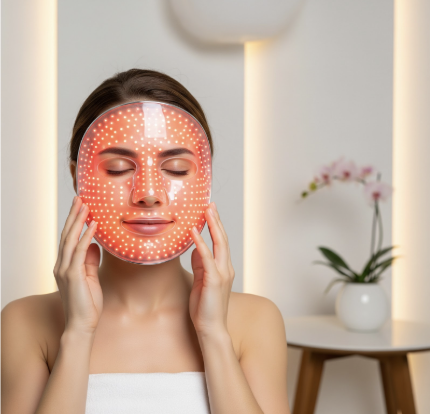
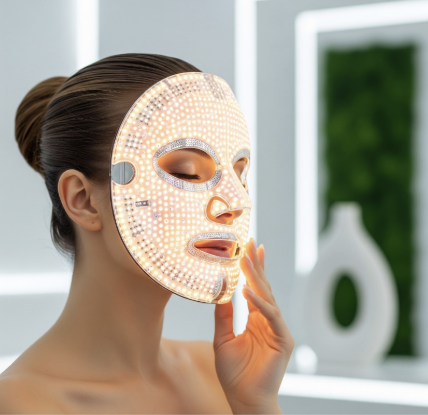
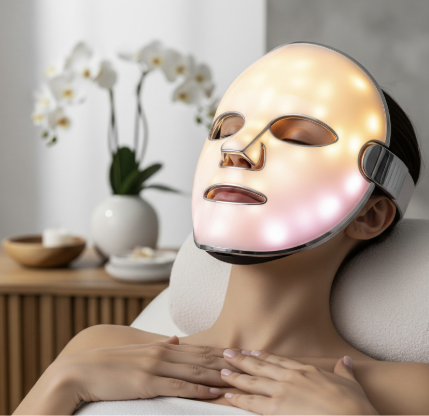
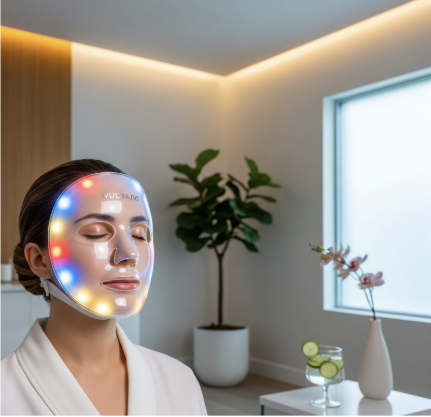
LED devices, particularly facial masks, continue to grow in popularity across the beauty and wellness sector. However, they present regulatory challenges, especially regarding product classification and marketing claims. These factors ultimately determine whether a product falls under general product safety legislation or medical device regulation.
Why classification matters
The classification of an LED device, such as a face mask, is not usually determined by the technology itself, but by its intended purpose and the claims made to consumers.
The Advertising Standards Authority (ASA) has raised repeated concerns about LED devices with medicinal claims where the product is not marketed as a medical device. Claims such as preventing or treating acne, reducing redness, or alleviating conditions like rosacea are typically considered medical claims. Once such claims are made, the product is likely to move outside the general product framework and into medical device territory. The ASA continues to monitor this area closely, and action has been taken against brands promoting beauty devices using therapeutic or medicinal language.
Beauty device vs. medical device: definitions
There is no single definition of a “general product”; rather, the framework applies to any consumer product not already regulated under a specific regime. Beauty examples include make-up brushes, hair accessories, and false eyelashes. Articles or devices cannot fall within scope of the Cosmetics Regulation (which applies only to substances and mixtures). However, cosmetic-type beauty claims may be made within the general product framework where the product cannot be classified as ‘cosmetic’.
By contrast, a medical device is any instrument or apparatus intended for use in humans for the purpose of:
Diagnosing, preventing, monitoring, or alleviating disease
Treating or alleviating injury or medical conditions
Modifying physiological processes
Products claiming to treat acne, rosacea, or any disease or medical condition are therefore more likely to be classified as medical devices.
Common pitfalls
When launching or marketing an LED device as a general product, it is essential to avoid medicinal claims, even where efficacy studies suggest therapeutic benefit. Making medical claims without appropriate authorisation is non-compliant and may lead to enforcement action.
Customer reviews and testimonials are another risk area. The ASA has challenged brands that repost testimonials suggesting therapeutic outcomes, as once used in marketing, these statements become claims attributable to the brand.
Before-and-after imagery can also create compliance concerns, particularly where improvement in a medical condition (such as acne) is implied. Paid advertisements are subject to the same regulatory scrutiny as all marketing communications, and ASA rulings frequently reference imagery suggesting medicinal outcomes, even where wording is carefully controlled.
Can you launch your product as a medical device?
If a device is intended to diagnose, prevent, treat, or alleviate a medical condition, it must be classified and marketed as a medical device. Before launch, brands must ensure:
Appropriate classification and certification
Robust clinical and scientific evidence supporting all claims
Full compliance with applicable medical device regulatory requirements
Preparing your device for market
To market an LED device outside the medical device framework, brands must avoid references to healing, acne treatment, redness reduction linked to disease, or any therapeutic benefit.
All efficacy claims must be supported by credible evidence. Testimonials alone are insufficient and may themselves create compliance risk.
A clear understanding of intended purpose, claims, and mode of action is essential to ensure correct classification and minimise regulatory exposure.
How can Bloom help?
Bloom supports beauty and wellness brands with end-to-end regulatory and compliance expertise, helping innovation reach the market safely and confidently.
Our services include:
Regulatory classification and borderline assessments
Product claims review and substantiation strategy
Advertising and marketing compliance checks
Evidence gap analysis
EU and UK regulatory pathway guidance
Whether you are developing a new LED device or refining your market positioning, our team ensures your claims are evidence-based, compliant, and aligned with the correct regulatory framework - protecting both your brand and your consumers.
Get in touch to discuss your project with our experts.
Darshni Pattani